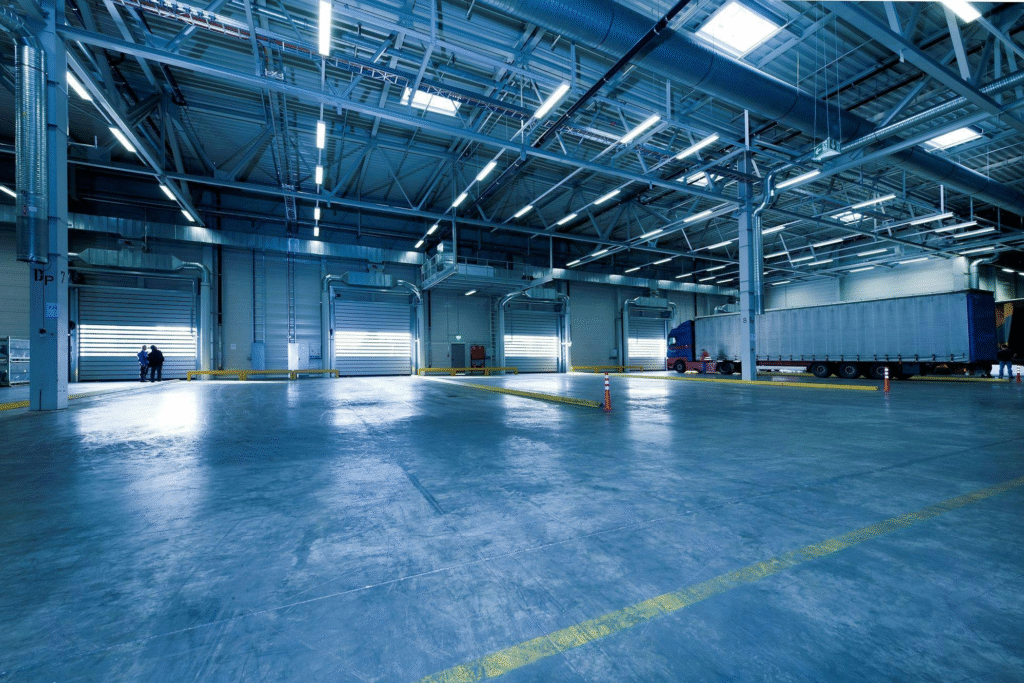
Acid staining is a technique used in concrete finishing that involves permanently changing the color of concrete surfaces. The acid stains are usually translucent and permeable. They easily penetrate the concrete, creating unique effects that look like natural stones or marbles. Concrete acid staining is popular in commercial and industrial settings due to its numerous advantages. This article will outline everything you need to know about concrete acid staining.
The Chemical Reaction
Acid stains are made from mixing water, hydrochloric acid, and acid-soluble metallic salts. When the mixture is applied to concrete, the acid engraves the surface, and metallic salts penetrate the pores. The concrete contains calcium hydroxide, which reacts with the metallic salts and changes its color properties. It becomes a permanent color that doesn’t fade, chip, or peel like other coatings.
Merits of Concrete Acid Staining
Some benefits of concrete acid staining include:
Durability:
The acid reaction with concrete creates a permanent color that doesn’t chip or peel. Additionally, the surface becomes resistant to ultraviolet rays and is inflammable. When done properly, concrete acid staining does not fade or react with water. This way, it can last for ages.
Easy- Maintenance
When done properly, concrete acid staining doesn’t require regular maintenance. You only need to reapply the sealer every 1-3 years and invest in a pH cleaner for the concrete. Additionally, it’s fairly easy to wipe spills on acid-stained concrete, making it an excellent option for hospitals and restaurants.
Beautiful and Unique Appearance
Acid-stained surfaces have unique color variations and patterns. The acid stains produce colors that have an earth tone ranging from brown, terra coats, tans, subtle blues, and greens. These color variations offer a rich and luxurious depth.
Demerits of Concrete Acid Staining
Concrete acid staining has a few potential demerits, including the following:
Unpredictable Results
This is arguably the greatest setback when it comes to concrete acid staining. You can’t predict the color since acid stains chemically react with lime in the concrete. The color is dependent on different factors like the concrete composition, moisture content in the concrete, and the application.
Limited Color Palette
Acid stains produce colors like terracotta, browns, greens, and blues. Homeowners do not have a range of colors to choose from.
Enhanced Imperfections
Acid stains are translucent, and therefore, any cracks, stains, and blemishes on concrete become more noticeable.
Can Acid-Staining Be Done as a DIY Project?
Acid staining requires meticulous preparation and extremely careful application, not to mention an in-depth understanding of the process. Firstly, the chemical reaction is unpredictable. The materials are highly corrosive and are best handled by a professional. Also, acid staining involves the use of hazardous chemicals. For this reason, you need to wear appropriate gear and follow precautions. For a non-experienced DIYer, it might be daunting to get the right gear or get the application process right. So, while it’s possible to do it yourself, it is nearly impossible to do a perfect job, especially if it’s your first time. Therefore, it would help to contact a professional concrete contractor to do the job.
Final Thoughts
Acid staining is suitable for both outdoor and indoor concrete surfaces. It has numerous benefits, like a unique appearance, easy maintenance, and high durability. However, it isn’t the best option in some instances due to reasons like a limited color palette and color unpredictability. Although you might want to do it yourself, concrete acid staining requires meticulous preparation, and the acids used are corrosive. Without a proper understanding of the application process, it can be impossible to achieve perfection. Therefore, it requires experienced professionals.